Despite all the challenges, the European economy has shown considerable resilience. Inflationary pressures have gradually eased, labour markets have remained stable, and investment in digitalisation and new technologies has continued to grow. Even so, Europe today faces perhaps the most important question of this decade: how to remain globally relevant in a world in which technological innovation, AI and access to capital increasingly determine the economic power of countries and companies.
I believe the answer lies in stronger integration of the European Union. The European single market is one of the greatest economic achievements of the modern age, but its full potential has still not been realised. Regulatory, administrative and tax differences still exist that slow the growth of businesses and make it harder for them to expand into other EU markets. While American companies operate in a market of 300 million people with a single regulatory framework, European ones face a range of national specificities that increase costs and slow development.
For that reason, we need to continue building a truly unified European market. What is needed is greater harmonisation of regulation, stronger integration of financial markets, simpler cross-border business and further convergence of tax policies. Europe must create conditions in which national champions can grow into European champions, and then into global players.
Technology companies play a particularly important role in this. In recent years we have been witnessing the revolutionary changes brought by artificial intelligence. AI is no longer a topic of the future but a tool of the present, one that is already changing the way we work, make decisions, develop products and interact with users. Europe must be an active participant in this transformation. We need to invest in innovation, research and development, education, and in creating an environment that encourages entrepreneurship and technological progress. If we want to retain our economic relevance, we must be not only users but also creators of new technologies.
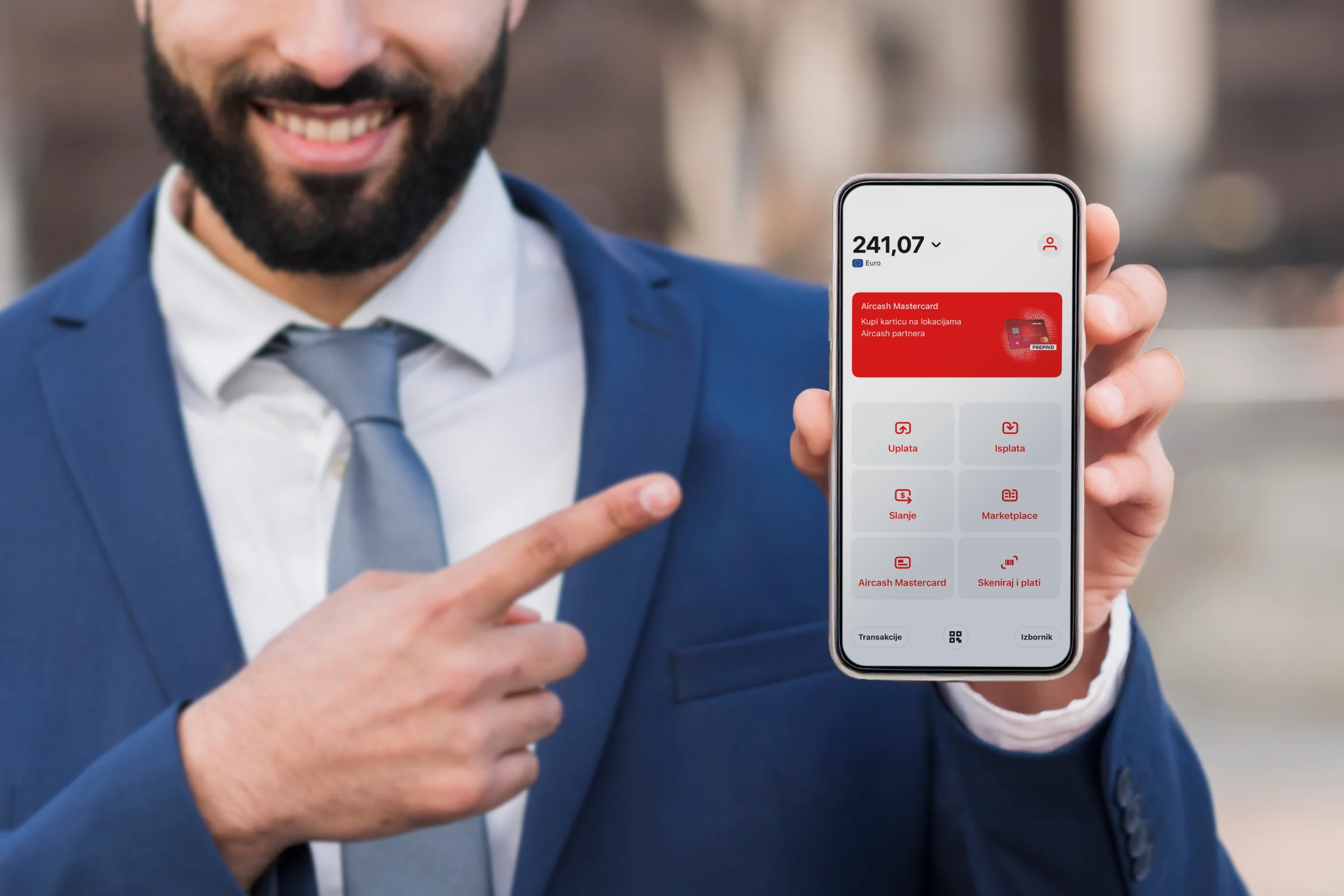
Aircash operates in just such an environment. From the very beginning, our vision was to build a European fintech company from Croatia. Today, thanks to an electronic money institution licence valid across the EU, we can provide our services to users throughout Europe. Aircash has outgrown the framework of a classic fintech app and become a platform that connects financial services, digital payments and many other needs of modern users every day.
During 2025, we continued strong growth in all key markets. We reached more than 1.7 million users in Croatia, Slovenia, Austria, Germany, Romania, Greece and other European countries. This result confirms that there is room for European technology companies that understand the needs of local markets while also thinking and acting at the European level.
We are particularly proud of the fact that growth was the result not only of expanding the user base but also of continuous product development. Alongside our core money transfer services and the Aircash Mastercard card, we have enabled even more locations for deposits and withdrawals across Europe, integrated even more travel services, expanded the bill payment service with no additional fees, and broadened our overall offering. All this makes Aircash an ecosystem of different services that allows users to manage their everyday finances more easily.
But we believe the future of the fintech industry is much broader than payments alone. That is precisely why 2026 will be marked by the further transformation of Aircash into a comprehensive digital platform for users' everyday lives. Our goal is not only to enable payments but to offer a complete digital experience through a single app.
A major focus will be on investing and personal finance management. We recently enabled cryptocurrency trading within the app in partnership with Bitpanda, and in the autumn we are expanding that offering with ETFs and shares. We believe that financial markets should be accessible to a wider population and that modern technology can remove many of the barriers that have so far limited citizens' participation in investing.
At the same time, we will continue to expand our range of services in mobility, travel and entertainment. The digitalisation of everyday activities opens up the possibility for users to access transport, accommodation, event tickets and other services they use in daily life through a single platform. In that context, it is worth highlighting our entry into the Italian market last summer and our partnership with the football club Verona, through which we linked fintech innovation with the emotion of sport. In the long term, it is precisely the linking of financial and non-financial services that will represent one of the most important directions of development of the digital economy.
Ahead of us is a period that will be marked by further technological change, the rise of AI and ever-greater user expectations. Companies that manage to innovate quickly, deliver simple solutions and build user trust will have the greatest chance of success. For Aircash, this means continued investment, the development of new services, expansion into new markets and the further building of a European technology company headquartered in Croatia. Our goal remains the same as on the first day: through innovation, to create simpler, more accessible and higher-quality digital services for millions of European users.
Source: Jutarnji.hr
Photo: Matija Habljak/Pixsell
 October 7, 2026A new option for everyday payments: Aircash introduces free virtual cards
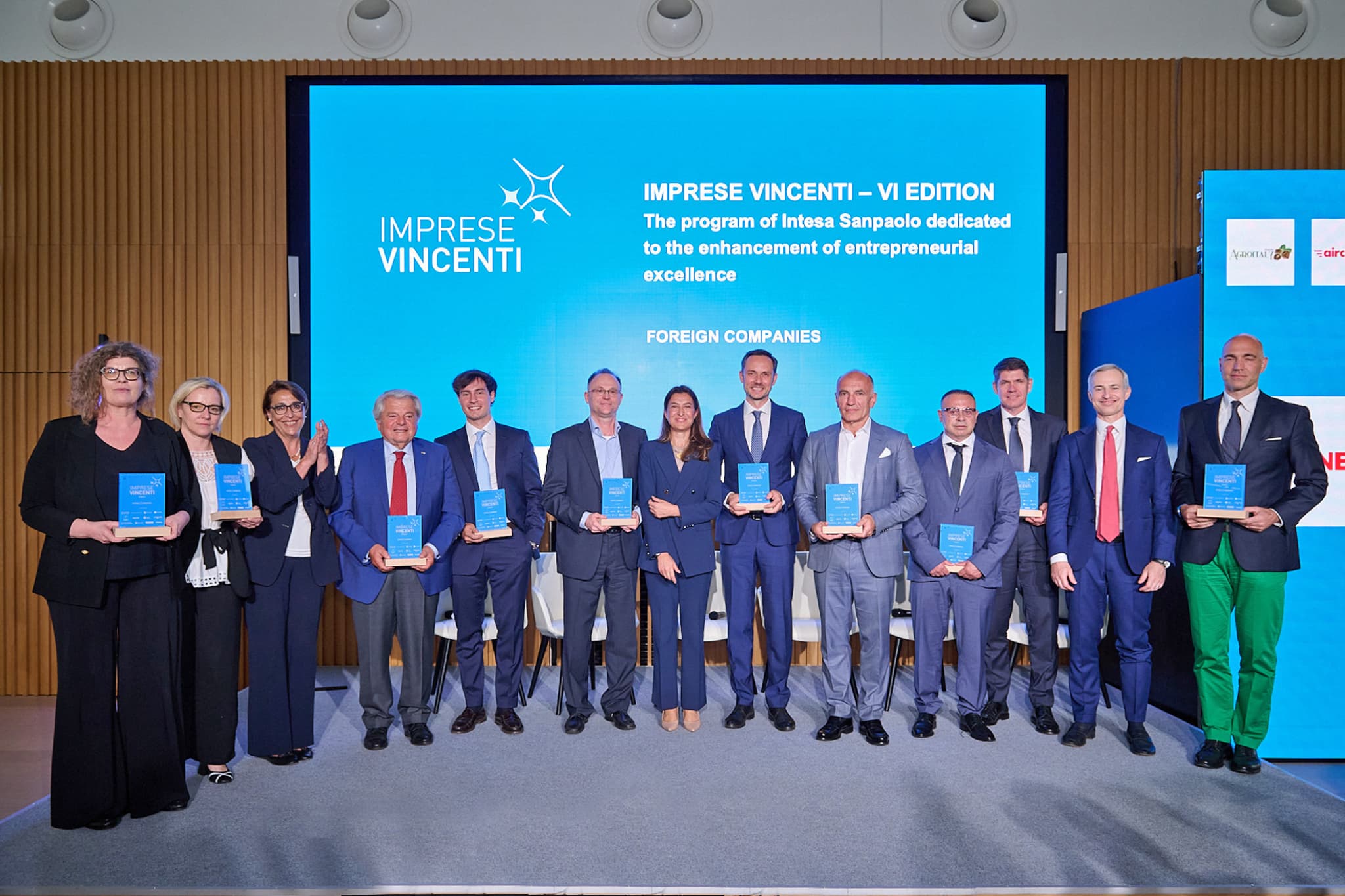 June 12, 2026Aircash among the top 10 companies in the international “Imprese Vincenti” program
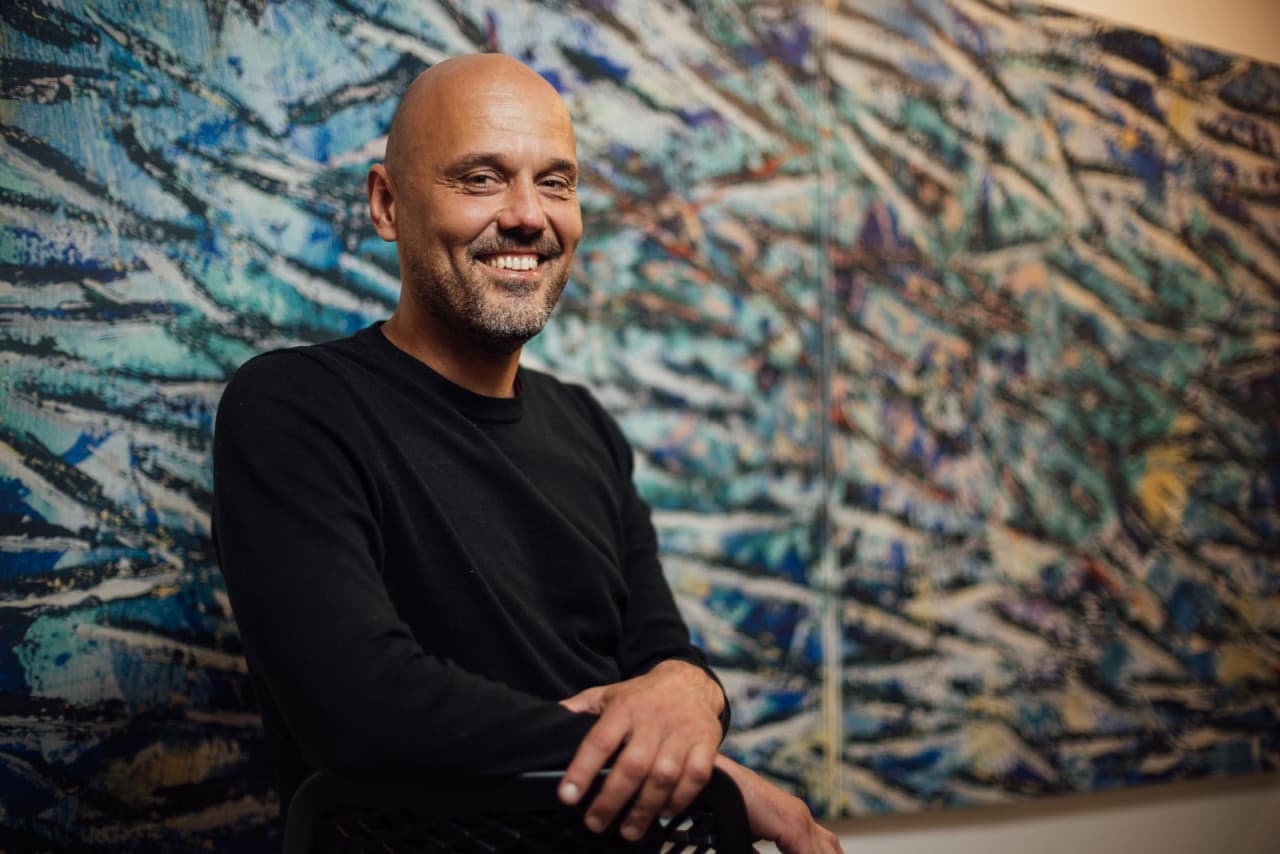 May 5, 2026Hrvoje Ćosić: ‘I went through the complications of buying tickets for a football match, and that gave me an idea...‘
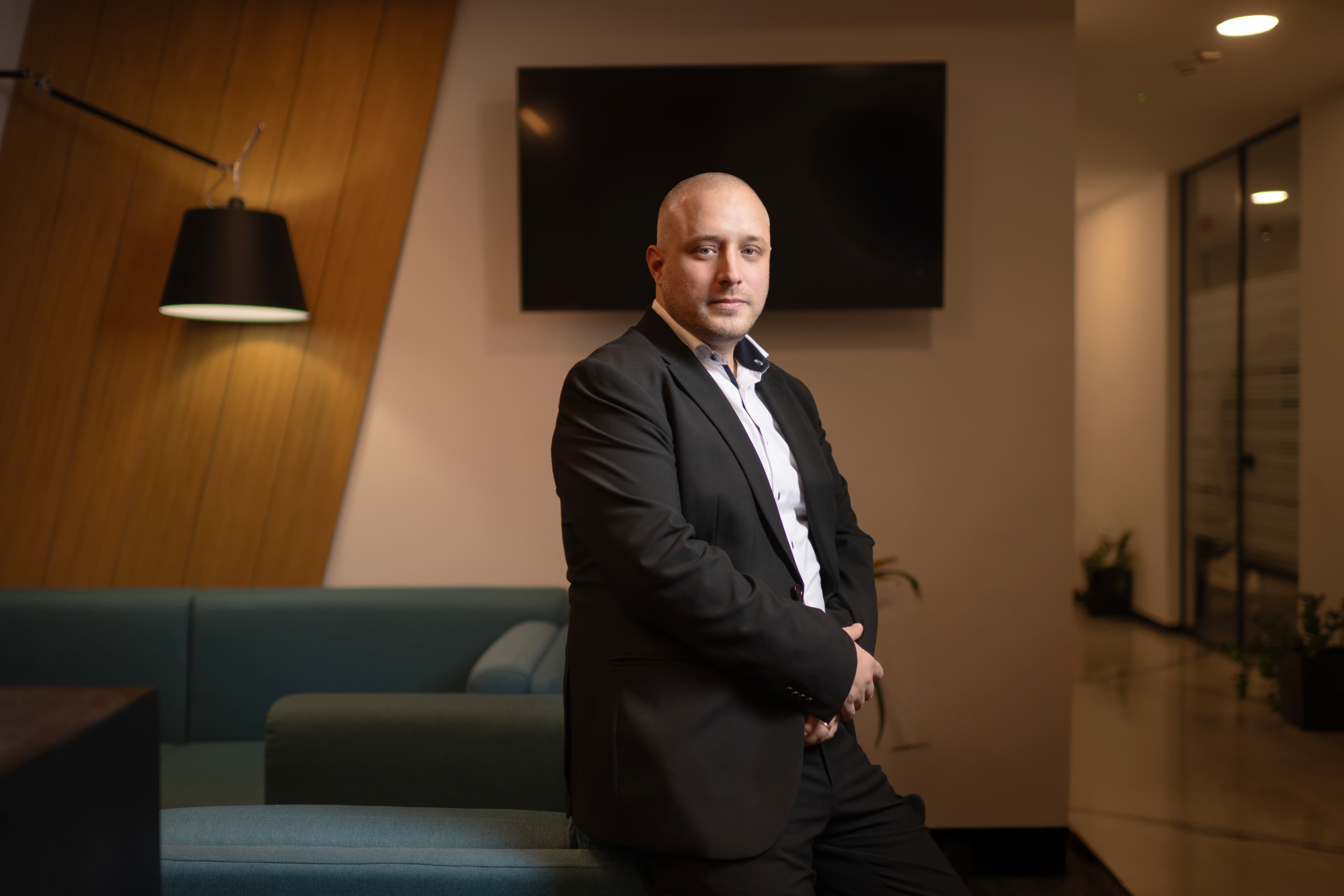 April 30, 2026Branimir Petrušić, Product Director: Aircash makes everyday money management easier
 April 16, 2026Aircash's vision in one sentence: "Money should arrive in your account faster than a WhatsApp message"
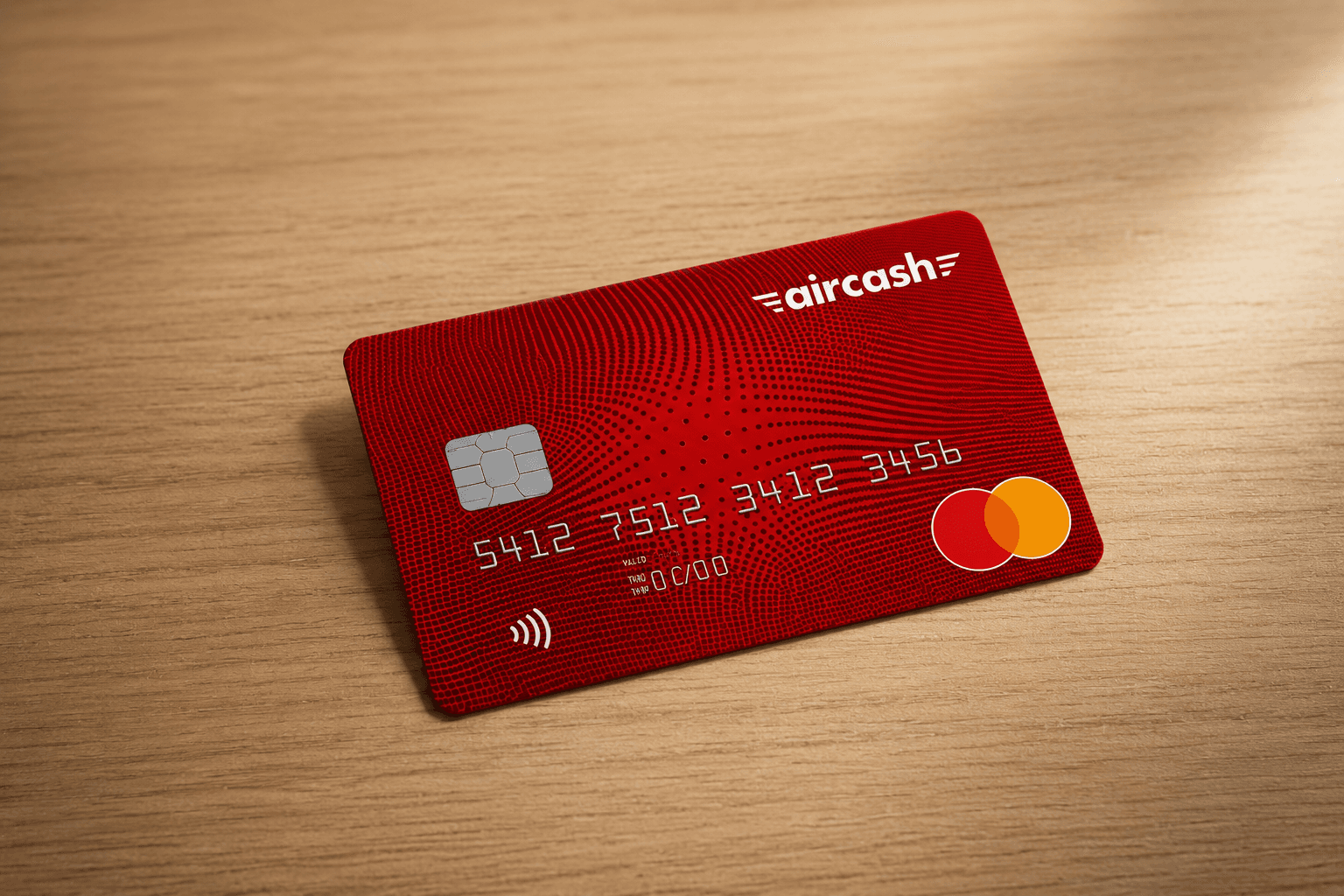 January 15, 2026A card without a bank account: Aircash Mastercard arrives in Bosnia and Herzegovina
- January 13, 2026A brilliant story from Croatia is conquering Europe. In a record year, they entered three new markets
 January 4, 2026A new phase of development: how Aircash is building its position in the European fintech market
- November 1, 2023Solutions we didn’t have before – more and more users and more and more services across the entire EU, including the new option of sending money to Turkey.
- October 8, 2023Expansion of Payment Capabilities: Aircash and Nikulipe Form a Strategic Partnership