They are pioneers of the Croatian fintech sector. They launched the first mobile wallet and fintech marketplace, were the first in the country to obtain an EU electronic money licence, and were among the first to link card payments with a fintech app.
They have spent years building their position as one of the leading fintech companies in South-Eastern and Central Europe, and in 2025 they continued to grow by expanding into the Spanish and Italian markets and introducing new services in the app. They are one of the best examples that domestic innovation can compete beyond Croatia's borders, backed by a defined strategy for growth and technological development.
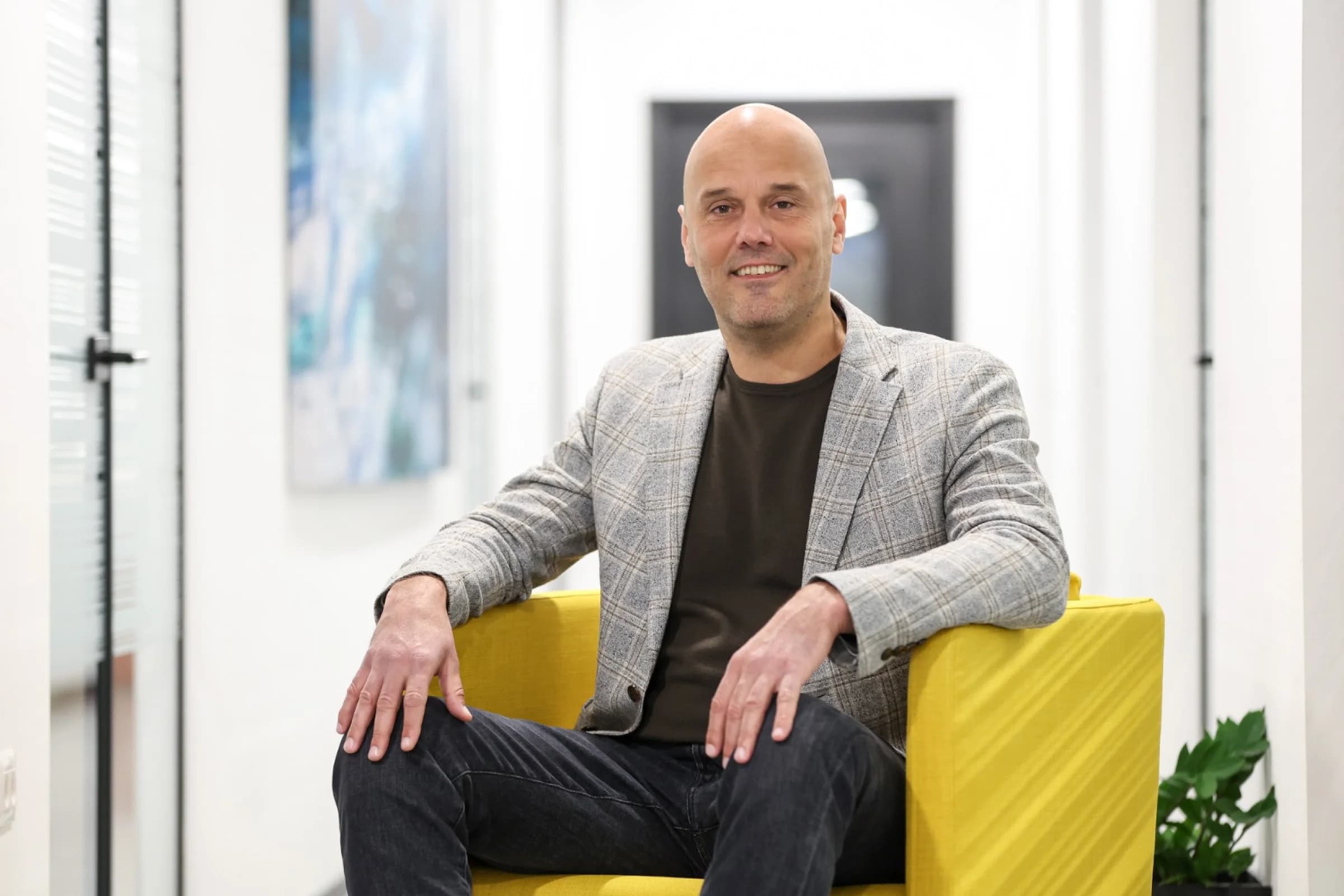
In 2026, Aircash aims to exceed two million users, and the path to that goal is already clearly mapped out. “For long-term growth in the fintech sector, it is important to continuously improve the product and recognise opportunities in the markets,” explains Aircash's Product Director, Branimir Petrušić, noting that Europe today represents a market of almost 500 million potential users.
Aircash's word of the year was scaling. Not only in terms of the number of users, but also in the way product development, technological infrastructure and internal team collaboration are organised.
They entered the Bosnia and Herzegovina market, and Portugal is also planned
Alongside Italy and Spain, they are recording strong growth in Romania, Slovenia, Austria, Czechia and Slovakia, with Czechia currently having one of the highest growth rates. At the same time, in 2025 Aircash also made a breakthrough beyond the borders of the European Union.
After obtaining a separate licence, the app was launched in Bosnia and Herzegovina, with an almost identical user and functional setup as in Croatia. A similar model was applied earlier in Switzerland.
Aircash currently operates in 15 markets, and Petrušić reveals that preparations are already under way to launch operations in the Portuguese market. Entry into each new market is shaped with a strong emphasis on the local context and cooperation with local country managers and consultants, who help adapt the product to users' real habits, from payment methods to everyday usage expectations.
They enabled instant money transfers to Nepal
One of the year's more important projects was the redesign of the app, with an emphasis on clarity and ease of navigation, in order to improve the user experience even further. In parallel, functionalities were introduced or expanded that position the app as a tool for everyday payments. For example, users across Europe can now buy bus, train and ferry tickets directly in the app.
An instant money transfer service to Nepal was also launched, intended for the growing Nepalese community in Croatia and the region. The model builds on the previously successful service for sending money from Germany and Austria to Turkey, with an emphasis on transparency, speed and lower fees compared with traditional services.
As our interviewee reveals, plans also include the introduction of a digital card and the further expansion of local payment methods.
They became the first Croatian company to sponsor a club from one of the “Big Five” leagues
In recent years, Aircash has also been developing through a presence in sport, which it has recognised as an excellent way to bring the brand closer to potential users. Particularly noteworthy is the fact that Aircash is the first Croatian company to become the main sponsor of a club from one of the Big Five leagues. On the shirt of the Italian top-flight side Verona, the Aircash logo occupies the most prominent place as main sponsor.
“We work with money, and trust is crucial, while partnerships with locally relevant brands accelerate adoption and lower the barrier to entry in new markets,” says Petrušić.
In addition to Verona, a partnership has been concluded with the Baskonia Alaves group in Spain, and in Croatia, as of this year, Aircash is also a partner of the water polo, volleyball and handball federations, supporting the development of these sports at all levels.
They are focusing on increasing the number of users
To support the growth of its user base, Aircash has developed its own transaction monitoring system, Baltazar, which analyses more than 300 parameters per transaction. The system was developed entirely in-house, through collaboration between teams from five different departments, and enables the rapid detection of unusual behavioural patterns, further strengthening the security and reliability of the platform.
Growing the number of users is a logical continuation of the platform's development, and the continuous introduction of new services and expansion of functionalities within the same app further reinforces Aircash's position as an all-in-one financial solution.
Instead of dispersing users across multiple services, the app offers everything needed for everyday transactions in one place, from sending and receiving money, through paying bills and parking, to buying tickets and vouchers. With this approach, they want to achieve their most ambitious goal.
“We want to double our number of users. Such goals push the organisation to think long-term and systematically,” says Petrušić, adding that artificial intelligence also helps them in their day-to-day work. AI is already integrated into product development, documentation and programming, and the next step is to introduce AI support within the app itself.
Artificial intelligence is a strategic tool for them
Specifically, a chatbot will take over simpler user queries and relieve the customer support team, while more complex processes will remain under human control.
They do not view artificial intelligence as a passing technology trend, but as a strategic tool that has a long-term impact on competitiveness. The history of the technology industry, Petrušić says, clearly shows that early adopters of new technologies gain an advantage that is hard to make up later.
“Whenever a new technology appears, those who implement it first get a clear head start. We saw that with smartphones,” stresses Petrušić, who spent six years as Chief Technology Officer and took on the new role of Product Director two years ago.
‘Nobody wants the Nokia effect’
In such an environment, failing to offer users new capabilities means knowingly falling behind and, in extreme cases, even risking the Nokia effect, a loss of market relevance due to adapting to change too slowly, he explains.
“Today, even a six-month delay can have serious business and financial consequences for a company. That is why we do not introduce AI haphazardly, but we do introduce it systematically and in a timely manner.”
They are adopting new technologies and making ambitious plans, but at the centre of Aircash remains the same question they asked themselves at the start: how can we make everyday money management easier for people? Today they do so in a significantly larger number of markets, while their impact and innovativeness reach new frontiers.
Source: Telegram.hr
Photo: Marko Miščević
- June 30, 2026Ahead of us is a period that will be marked by further technological change, the rise of artificial intelligence and ever-greater user expectations
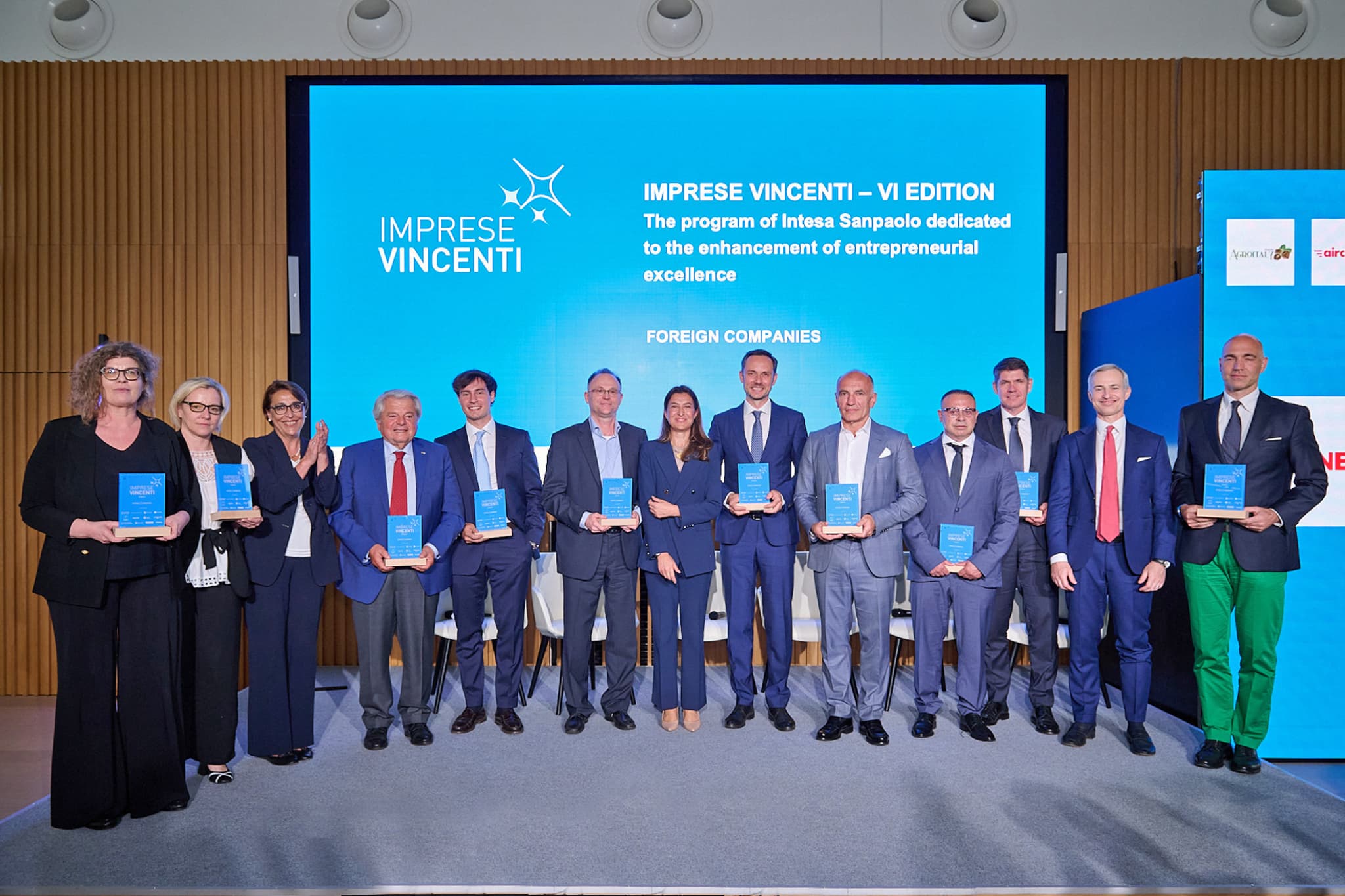 June 12, 2026Aircash among the top 10 companies in the international “Imprese Vincenti” program
 May 5, 2026Hrvoje Ćosić: ‘I went through the complications of buying tickets for a football match, and that gave me an idea...‘
- April 30, 2026Branimir Petrušić, Product Director: Aircash makes everyday money management easier
 April 16, 2026Aircash's vision in one sentence: "Money should arrive in your account faster than a WhatsApp message"
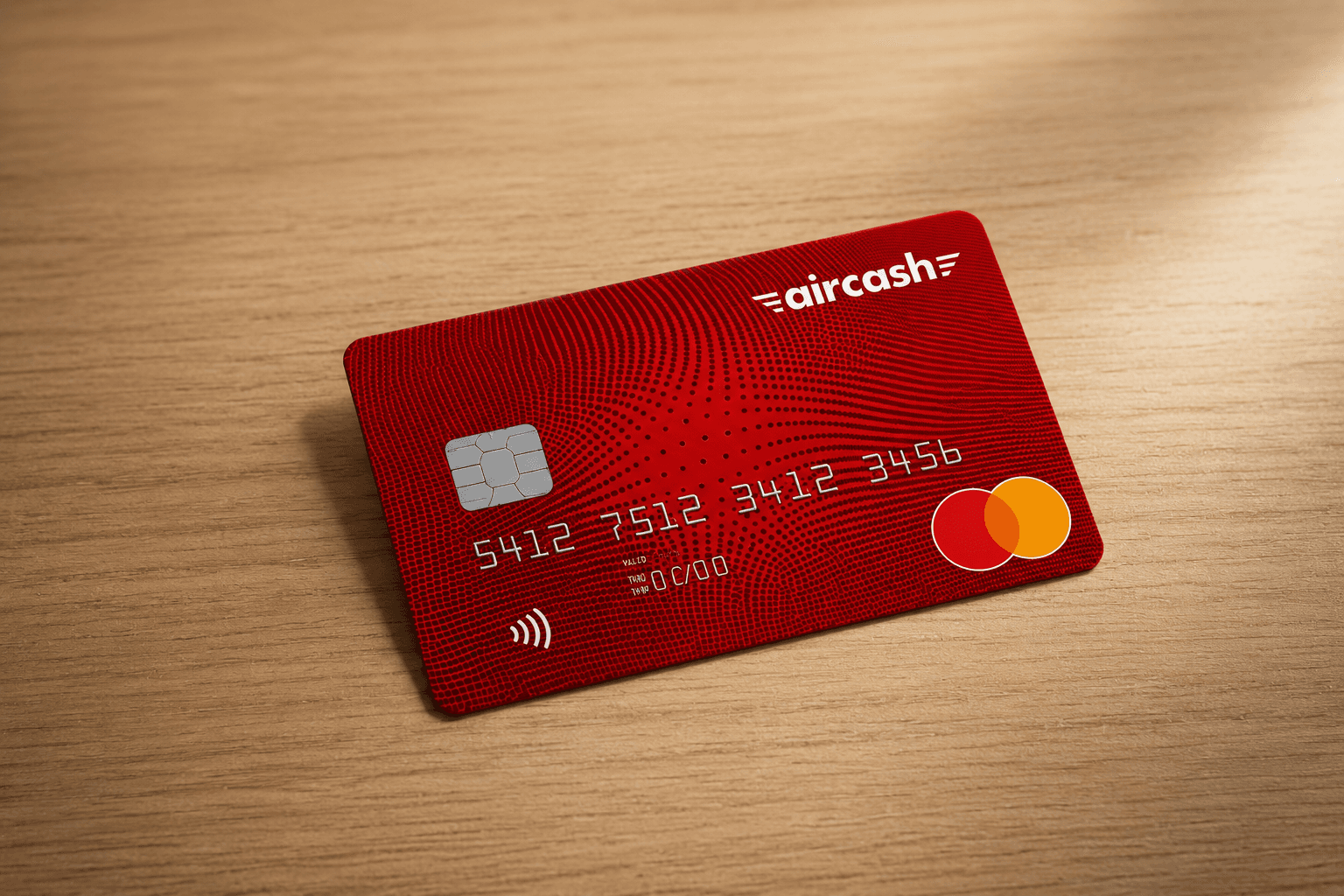 January 15, 2026A card without a bank account: Aircash Mastercard arrives in Bosnia and Herzegovina
 January 4, 2026A new phase of development: how Aircash is building its position in the European fintech market
- October 8, 2023Expansion of Payment Capabilities: Aircash and Nikulipe Form a Strategic Partnership
- September 19, 2023Udo Müller joins the Aircash team
- September 19, 2023Gunther Egerer Becomes Aircash’s New Head of Distribution for Austria and Germany