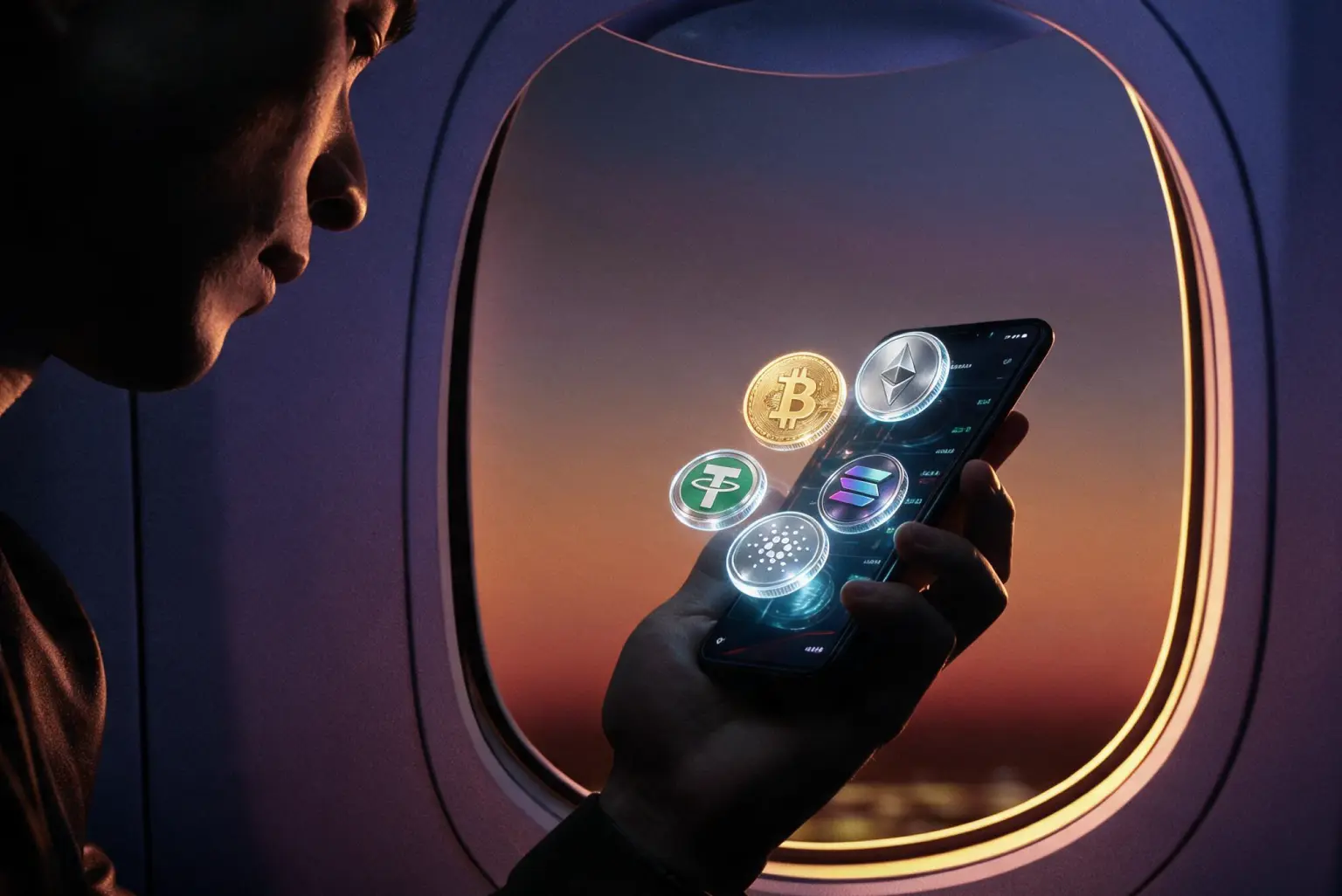
Strip away the noise, and it's simpler than it looks. Cryptocurrency is digital money that isn't issued by any bank or government. There are no physical coins or notes to hold in your hand; it exists only in electronic form. Instead of one company keeping the official record of who owns what, that job is shared across thousands of computers around the world, all holding an identical, constantly checked copy. That shared record is called the blockchain, and it's what lets people send value to each other directly, with no bank required in the middle.
How It All Began
Cryptocurrency didn't appear overnight. Its roots stretch back across decades of computer science history, quietly building toward a much bigger financial shift.
Long before Bitcoin, a group of activists and cryptographers who called themselves the "Cypherpunks" spent the 1980s and 90s experimenting with digital privacy tools. Some of them tried building digital cash, projects like DigiCash and B-Money, but none of them really took hold, partly because they still leaned on some form of central coordination to stop people spending the same money twice.
Then came October 2008. In the middle of a global banking collapse, an anonymous programmer working under the name Satoshi Nakamoto published the Bitcoin Whitepaper: a plan for electronic cash that didn't need a bank or government behind it. A few months later, on January 3, 2009, Nakamoto mined the very first block on the Bitcoin network, known ever since as the Genesis Block.
What Exactly Is Cryptocurrency?
Cryptocurrency is digital money that exists only in electronic form. There are no physical coins or notes to hold in your hand.
Bitcoin was the first cryptocurrency, and it's still the name most people know. Since then, thousands more have appeared, each built for something slightly different. Ethereum, the second-largest by value, works more like a foundation for other apps and services than a currency on its own. Some newer tokens exist purely as a form of digital savings, and others are designed to hold a steady value instead of moving up and down at all.
What really sets crypto apart, whichever type you're looking at, is decentralization. No single institution can freeze an account, reverse a transaction, or quietly print more of it.
Aircash
Aircash Investing gives users access to a broad range of cryptocurrencies through Bitpanda's infrastructure. Well known assets such as Bitcoin, Ethereum, Solana, BNB, XRP, and Avalanche are among the cryptocurrencies users may encounter.
This article is for educational purposes only and does not constitute financial advice. Cryptocurrency investments carry risk, including the risk of loss.
 July 28, 2026Croatian highways in summer: a little trick that saves hours of waiting
 July 21, 2026Parking during summer in Croatia? A challenge almost every driver faces
 May 26, 2026Summer is too short to wait in front of toll booths
 May 26, 2026Why More and More People Are Paying Their Bills Through Aircash
 May 26, 2026The Worst Things That Can Happen While Traveling
 May 26, 2026Where to Go in Croatia for a Summer Vacation If You’re Not a Fan of the Sea
 May 26, 20265 Tips to Save Time and Money While Traveling
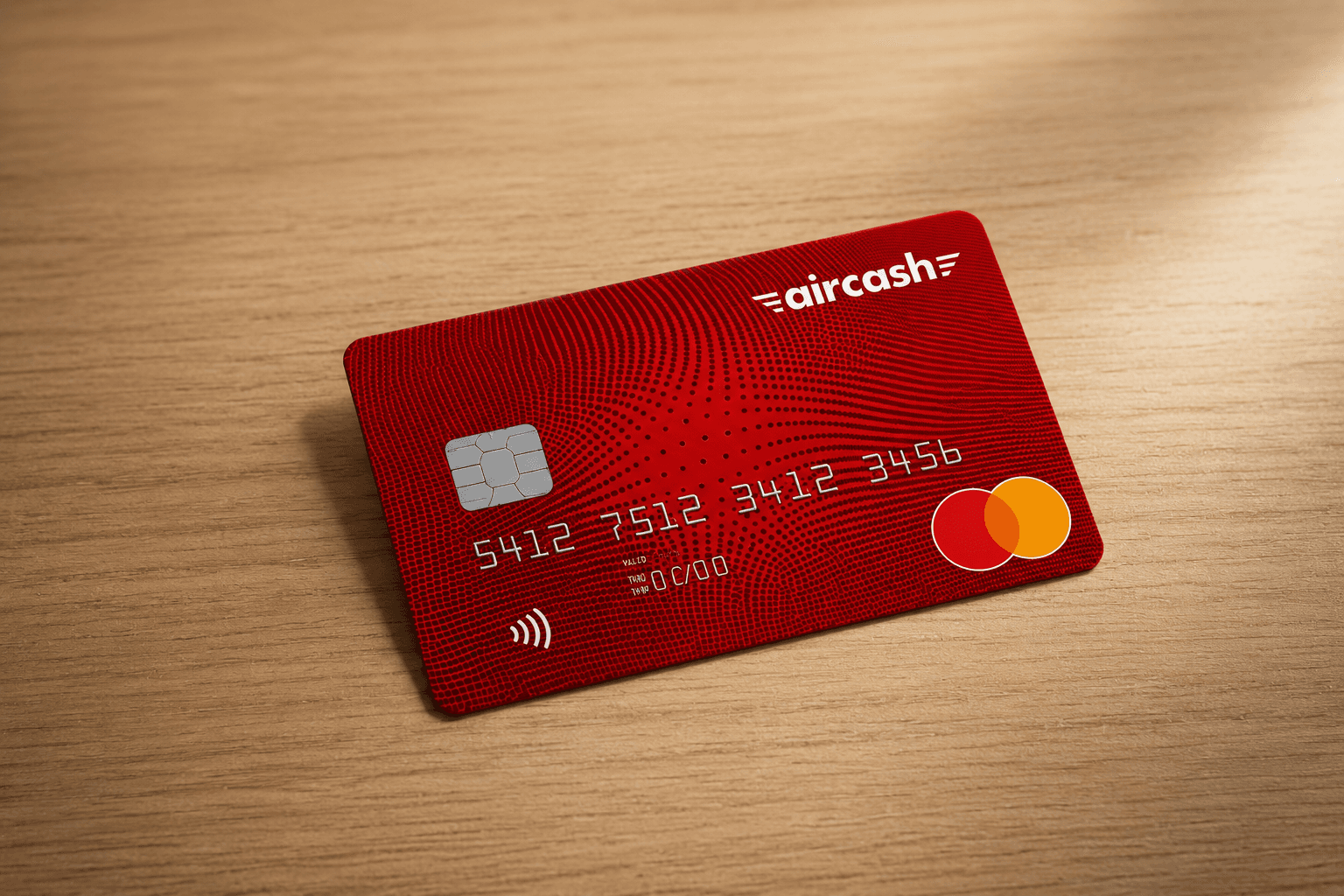 May 18, 20265 Reasons the Aircash Mastercard should be your go-to card
 May 4, 2026Highway vignettes? There’s an app for that
 February 4, 2026How to Protect Children and Personal Data from Cyber Attacks?